How to Spot Unlicensed Storm Chasers After a Monsoon
When the summer skies darken and the winds pick up, residents of the greater Tucson area know exactly what is coming. The monsoon season brings much-needed rain to our arid landscape, but it also delivers severe weather that can wreak havoc on your property. After a particularly brutal storm, you might find yourself dealing with missing shingles, cracked tiles, or sudden leaks that threaten the interior of your home. Unfortunately, the extreme weather isn't the only thing you need to worry about during this time of year. The aftermath of these storms often brings an influx of out-of-state storm chasers looking to make a quick profit off vulnerable homeowners who are desperate for immediate repairs.
The Danger of Out-of-State Storm Chasers
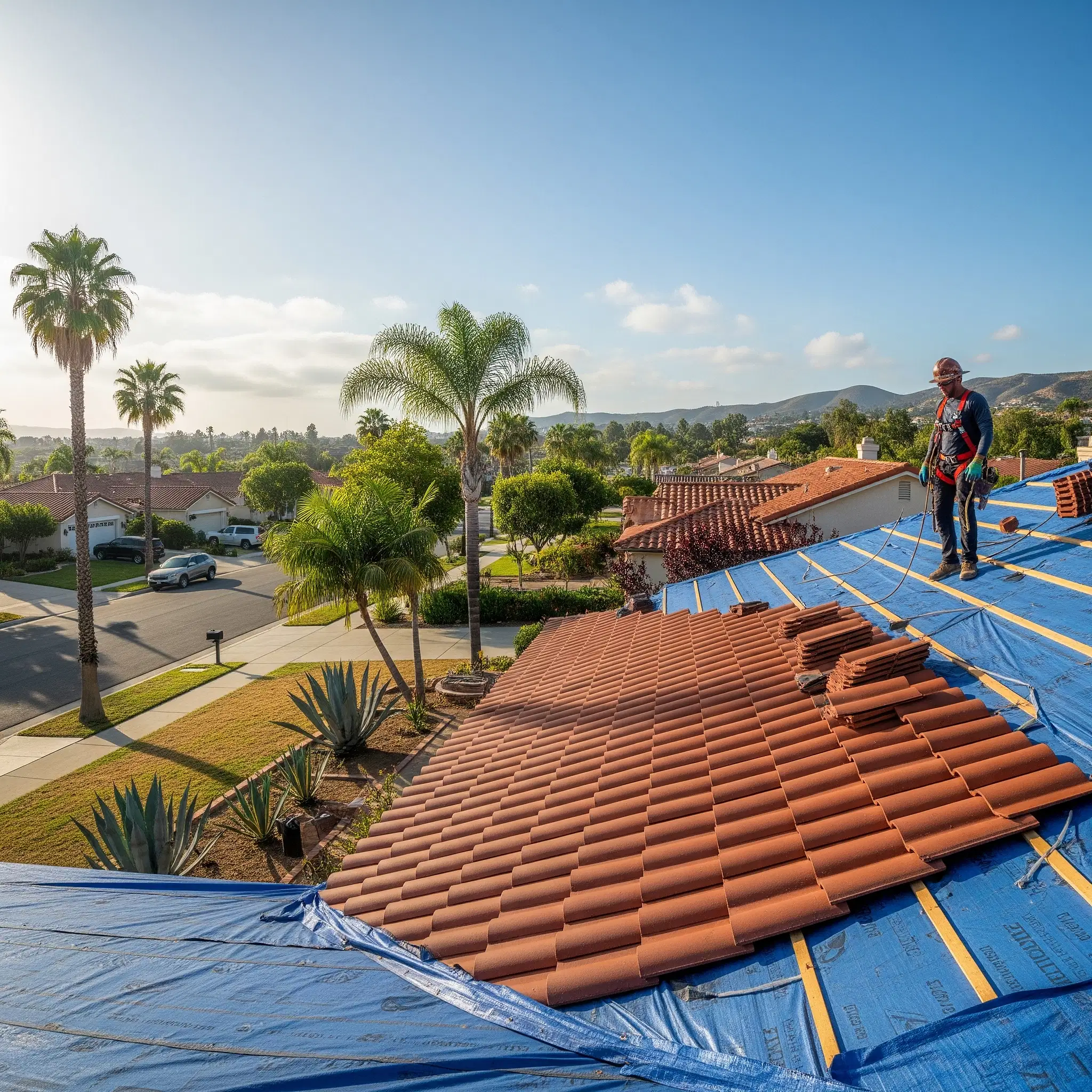
Storm chasers are transient roofing crews that travel across the country following severe weather events. When a microburst or heavy hail hits our region, these opportunistic groups flood the area, knocking on doors and offering immediate repairs or full replacements. While getting your roof fixed quickly might sound appealing when water is dripping into your living room, hiring these unlicensed contractors often leads to a nightmare scenario.
They typically use subpar materials that cannot withstand the intense Sonoran Desert heat, and their workmanship is often rushed to maximize their profit before moving on to the next town. Because they are not established locally, they have no reputation to uphold and no ties to the community. Once the seasonal storms pass and the work dries up, they pack up and leave. If your roof starts leaking a few months later, the phone number they gave you will likely be disconnected, leaving you with no warranty and a hefty bill to fix their mistakes. This predatory behavior damages trust in the industry and leaves homeowners footing the bill for shoddy work.
Red Flags: How to Spot Unlicensed Roofing Contractors
Protecting yourself from storm chaser scams starts with knowing exactly what to look for. Legitimate roofing professionals operate much differently than fly-by-night crews. Here are a few major red flags to watch out for when someone offers to fix your weather-related roof damage:
First, beware of high-pressure sales tactics. A storm chaser will often insist that you need to sign a contract immediately or offer a special discount that is only valid if you commit on the spot. A reputable professional will give you time to review an estimate, ask questions, and make an informed decision without feeling cornered.
Second, watch out for contractors who ask for the entire payment upfront or demand to be paid in cash. While a reasonable deposit is standard for scheduling a project and ordering materials, paying in full before any work has begun is a massive financial risk.
Third, be cautious of anyone who promises to handle your entire insurance claim for you, especially if they offer to cover your deductible. Navigating how hail or wind damage affects your roofing insurance claim can be confusing, but it is illegal for a contractor to waive your deductible or act as your public adjuster. A trustworthy roofer will provide detailed documentation to support your claim but will never encourage insurance fraud.
Verifying an Arizona ROC Roofing License
One of the most critical steps in hiring a roofer is verifying their Arizona Registrar of Contractors (ROC) license. Arizona has strict licensing requirements designed to protect consumers from poor workmanship and financial liability. An unlicensed contractor is not bonded or insured, meaning if a worker is injured on your property or your home is damaged during the repair, you could be held financially responsible.
Always ask for a contractor's ROC number before agreeing to any work. You can easily verify this number on the official Arizona ROC website to ensure their license is active and in good standing. A valid license proves that the contractor has the necessary experience, has passed trade exams, and carries the proper insurance to protect you and your property. Whether you need minor repairs or a comprehensive residential roofing overhaul, working with a licensed professional is absolutely non-negotiable.
The Value of a Trusted Local Roofer
When you hire a deeply rooted local company, you are investing in peace of mind. Local experts understand the unique challenges of our climate. We know that the materials used for a full roof replacement must be specifically chosen to endure extreme UV rays, sudden temperature drops, and heavy seasonal rains. We also understand the specific building codes and HOA guidelines that govern our local neighborhoods, ensuring your project is compliant from start to finish.
Furthermore, a local business is accountable to its community. We rely on word-of-mouth referrals and positive reviews from our neighbors to keep our business thriving. When we provide a warranty on our materials and workmanship, we are actually going to be around to honor it years down the road. Establishing a relationship with a local contractor also means you have a reliable partner for ongoing roof maintenance, which is the absolute best way to prepare your home before the next storm season even begins.
Protect Your Home with Leak Seekers, LLC.
Dealing with storm damage is stressful enough without having to worry about being scammed by an unlicensed contractor. By staying vigilant, checking credentials, and trusting established local experts, you can ensure your home is repaired correctly and safely. The Old Pueblo is our home, and we are dedicated to protecting our neighbors from predatory practices while delivering the highest quality craftsmanship available.
If you suspect your roof has suffered damage from recent weather, do not wait for a knock on your door from a stranger. Reach out to the licensed, bonded, and insured professionals at Leak Seekers, LLC. in Sahuarita. We provide honest inspections, transparent pricing, and reliable repairs that stand the test of time. Visit our contact us page today to schedule your consultation and experience the difference of working with a true local partner.