
Identifying and Fixing Commercial Roof Leaks
Running a business comes with endless responsibilities, and the last thing you want to deal with is a compromised building. When water breaches your facility, it can disrupt operations, damage expensive inventory, and lead to costly downtime. In Tucson and surrounding areas, our unique climate puts extraordinary stress on building exteriors. From relentless dry heat baking the materials for months to sudden, violent downpours during monsoon season, commercial roofs take a serious beating.
For facility managers and property owners, recognizing the early warning signs of water intrusion is critical. Addressing these issues quickly not only protects your interior assets but also preserves your working capital by avoiding premature replacements. At Leak Seekers, LLC., we specialize in comprehensive commercial roofing solutions designed to withstand our harsh southwestern environment. Let's explore how to spot trouble early, the modern techniques used to find hidden moisture, and the best practices for executing a lasting repair.
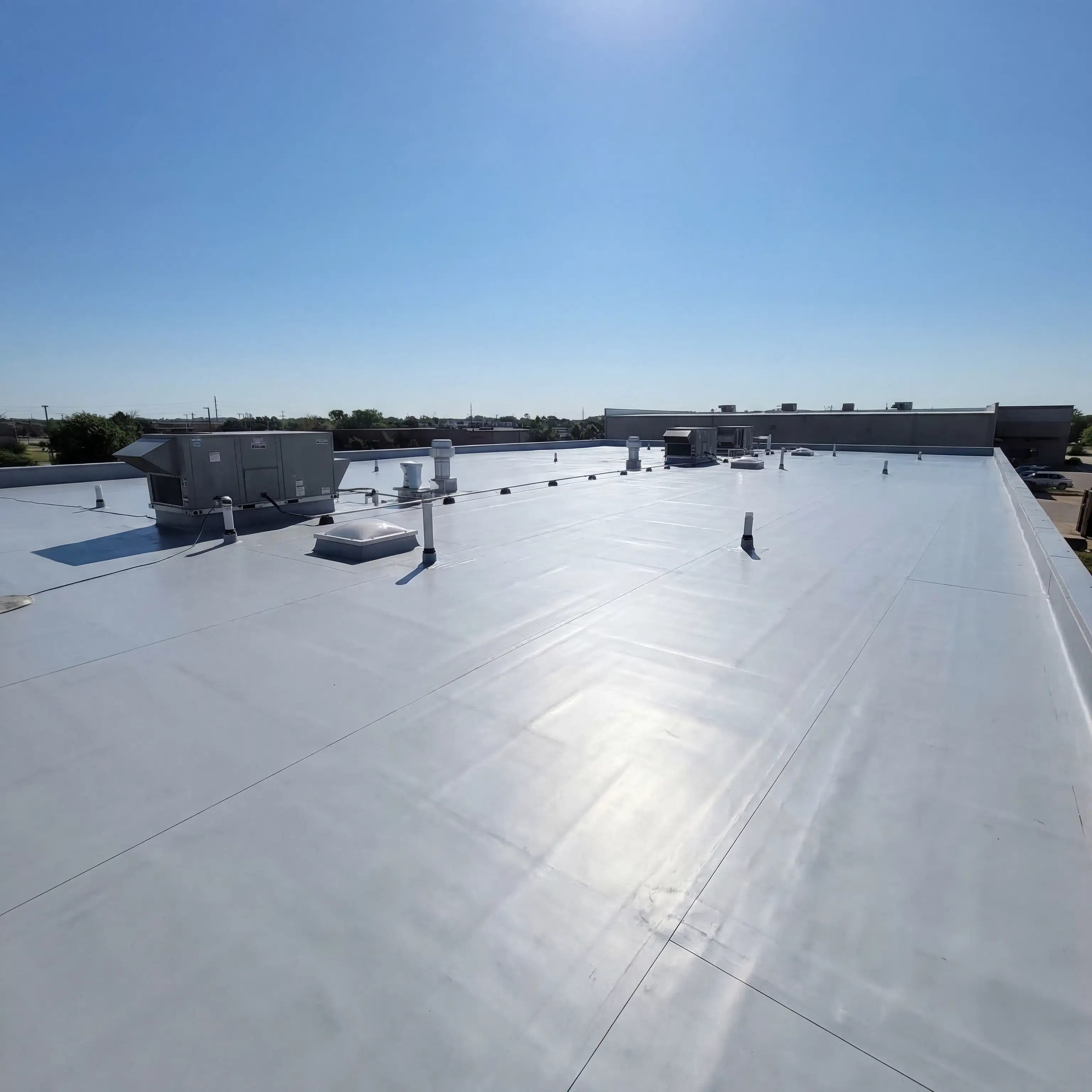
Common Causes of Flat Roof Leaks
Unlike sloped residential roofs that naturally shed water, commercial buildings typically utilize flat or low-slope systems. While these are incredibly efficient for large footprints and housing HVAC equipment, they present unique vulnerabilities. Understanding the common causes of flat roof leaks is the first step in protecting your property.
One of the most frequent culprits is thermal shock. The dramatic temperature swings in our region—where a roof surface can reach scorching temperatures during the day and cool rapidly at night—cause roofing materials to expand and contract continually. Over time, this movement stresses seams, flashing, and fasteners, eventually causing them to crack or separate.
Another major issue is poor drainage leading to ponding water. If scuppers and drains become clogged with debris blown in by a haboob, water has nowhere to go. Standing water accelerates the degradation of roofing membranes and amplifies the weight load on the building structure. Additionally, foot traffic from HVAC technicians or routine maintenance can inadvertently cause punctures or tears in the roofing membrane.
Modern Commercial Roof Leak Detection Methods
When water starts dripping onto your warehouse floor or staining your office ceiling tiles, the actual breach in the roof could be dozens of feet away. Water travels along the path of least resistance, making leak origin points notoriously difficult to track down with the naked eye.
Historically, finding a leak meant tedious manual probing and sometimes destructive testing. Today, professional roofing contractors utilize advanced commercial roof leak detection methods to pinpoint issues accurately and non-invasively. One of the most effective tools we use at Leak Seekers, LLC. is drone-based thermal imaging. By flying a specialized drone over your facility just after sunset, we can detect temperature variations on the roof's surface. Wet insulation retains heat longer than dry insulation, allowing the thermal camera to highlight compromised areas in glowing color.
This technology not only provides a highly accurate damage assessment but also allows us to give you a transparent, detailed project estimate without relying on guesswork. It’s a safer, faster process that keeps your business running smoothly while we diagnose the problem.
Repairing Commercial Roof Membrane Punctures
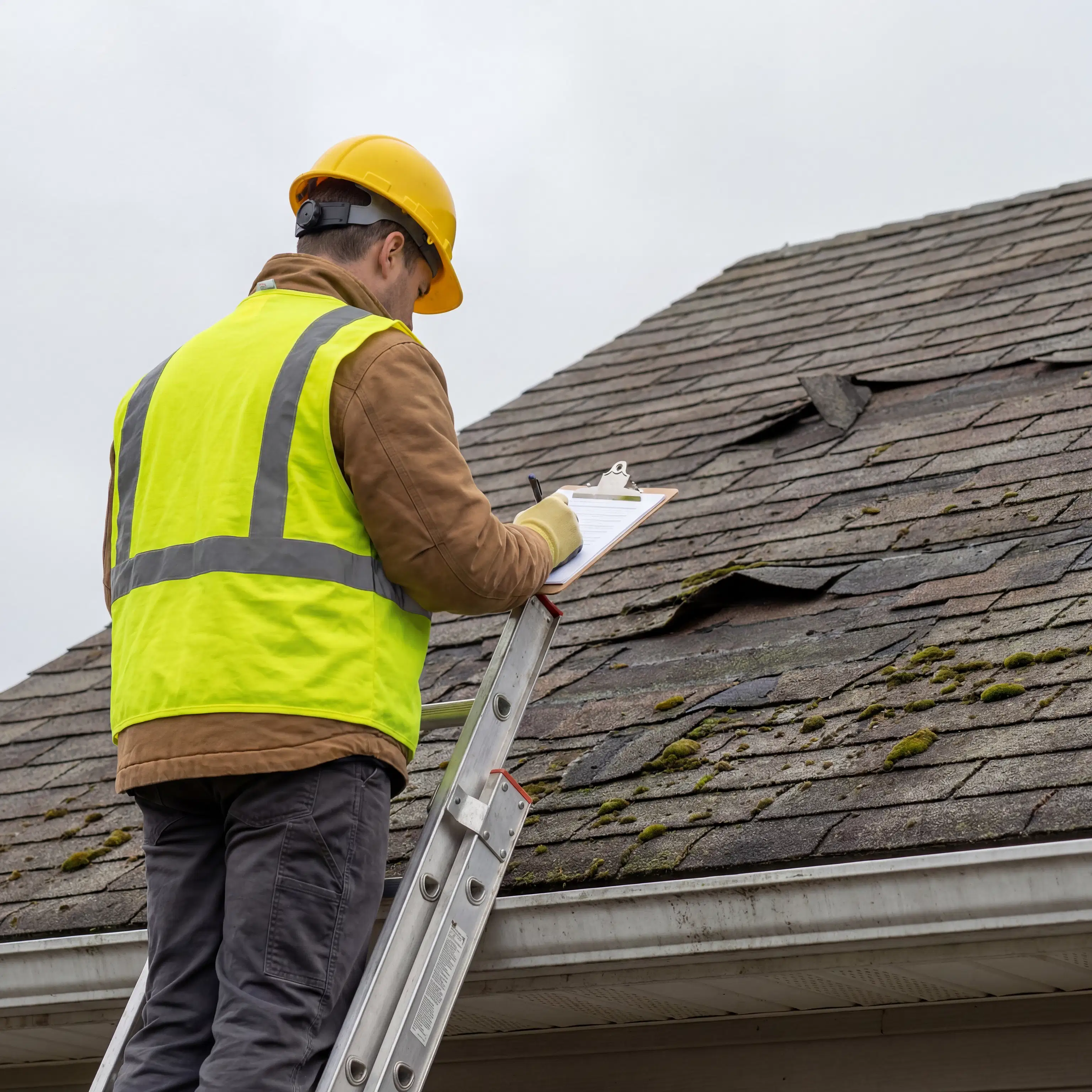
Once the source of the moisture is identified, prompt and professional repair is essential. Repairing commercial roof membrane punctures requires more than just slathering sealant over a hole. The process must be meticulous to ensure the patch outlasts the next severe storm.
First, the damaged area is thoroughly cleaned to remove dirt, oxidation, and old adhesives. In a desert environment, dust and grit can severely compromise the adhesion of repair materials. After cleaning, the area is primed. A patch made of compatible material—whether it's TPO, PVC, or modified bitumen—is then carefully cut to size, ensuring it extends well beyond the edges of the puncture. The patch is then welded or adhered to the existing membrane using specialized equipment, creating a watertight, seamless bond. Finally, edges are sealed for an extra layer of protection.
In many cases, isolated repairs can significantly extend the life of your roof. However, if your roof is nearing the end of its lifespan or the insulation is heavily saturated, a localized repair might only be a temporary band-aid.
Trusting the Right Professionals
We know that commercial property owners are often highly skeptical of roofing contractors due to industry-wide trust issues and lack of transparency. Your business deserves a partner who is fully licensed, bonded, and insured, offering strong warranties on both materials and workmanship.
At Leak Seekers, LLC., we are committed to providing reliable communication, accurate pricing, and the highest quality materials to protect your investment. Whether you are dealing with a sudden emergency after a monsoon or need routine maintenance to prepare for the summer heat, our experienced crews are here to help.
Don't let a minor drip turn into a major operational nightmare. If you suspect your building has been compromised, contact us today to schedule a professional roof repair consultation. Let us show you why businesses across Arizona trust us to keep their doors open and their properties completely dry.