
Maintaining Flat Roof Scuppers During Monsoon Season
Living in the Southwest means experiencing some of the most dramatic and beautiful weather shifts in the country. After months of enduring the intense Sonoran Desert heat, the arrival of summer storms brings a welcome relief to the Tucson area. However, this seasonal shift also introduces a unique set of challenges for homeowners. The torrential downpours and high winds can put immense stress on your home's exterior, making proactive preparation absolutely essential.
For homes with traditional Southwestern architecture, flat roofs are incredibly common. While these designs perfectly complement the aesthetic of The Old Pueblo, they require specific drainage systems to function correctly. Unlike pitched roofs that rely on gravity to shed water instantly, flat roofs utilize a combination of slight slopes, protective edges, and specialized drainage outlets.
When heavy rains hit, the success of your roof's drainage system dictates whether your home stays dry or suffers significant water damage. Understanding how this system works, and specifically how to maintain it, is the first step in protecting your property from unpredictable weather.
The Anatomy of Flat Roof Drainage
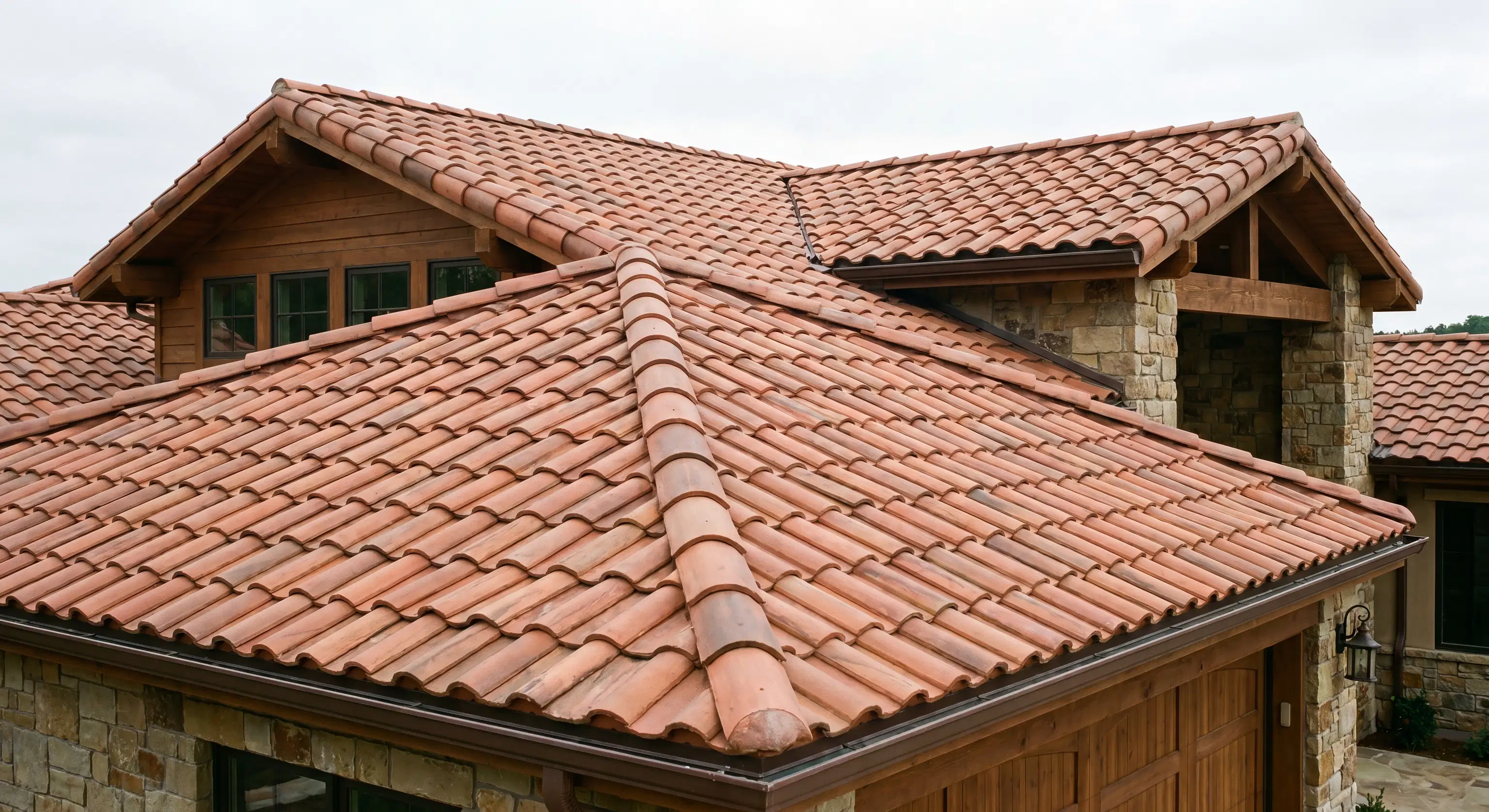
To understand why maintenance is so critical, it helps to know exactly how your flat roof is constructed. Most flat roofs in our region feature a parapet, which is the low protective wall that runs along the edge of the roofline. While parapet walls add architectural interest and provide a barrier against wind uplift, they also effectively turn your roof into a shallow basin.
To prevent water from simply filling up this basin, builders install scuppers. Scuppers are the designated drainage outlets cut through the parapet walls that allow water to escape off the roof and away from your foundation. During a severe microburst, which can dump inches of rain in a matter of minutes, these drainage points are your home's only defense against catastrophic water pooling.
If a scupper becomes blocked by fallen leaves, dirt buildup, bird nests, or debris blown in by high winds, the water has nowhere to go. Standing water is one of the most destructive forces a flat roof can encounter. It adds immense structural weight to your home and will inevitably find the weakest point in your roofing material, leading to interior leaks. Because summer storms often cause sudden spikes in emergency repair requests, scheduling routine roof maintenance before the weather turns is the smartest way to avoid long wait times and costly damage.
Signs Your Drainage System Needs Attention
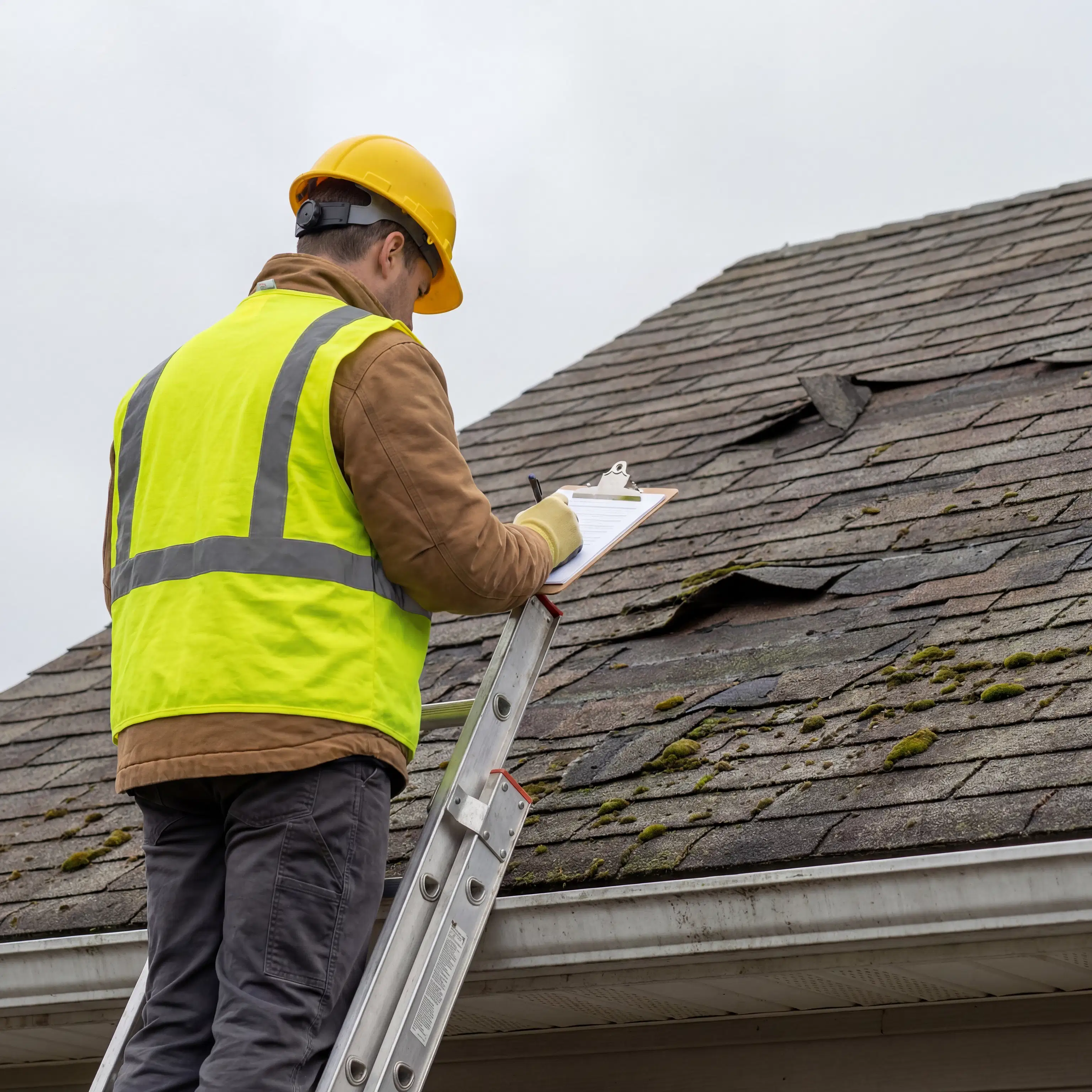
Many homeowners ask how they should prepare their roofs for the upcoming storm season. The most effective approach is a thorough visual inspection of your drainage areas. You don't necessarily need to climb onto your roof to spot potential issues; often, you can see the warning signs from the ground or a sturdy ladder.
Look for water stains running down the exterior stucco beneath the scuppers. While some staining is normal, excessive dark streaks can indicate that water is backing up and slowly seeping through the wall rather than flowing cleanly out of the spout. Additionally, check for any visible debris poking out of the drainage holes. Even a small accumulation of twigs and dirt can act as a dam during a heavy downpour.
Another critical area to inspect is the transition point where the flat roof meets the parapet wall and the scupper opening. The seals around these outlets are notorious for cracking under extreme UV exposure. If you notice peeling, cracking, or separation around the drainage openings, it is time to call in professionals for a targeted roof repair. Addressing these small vulnerabilities now prevents them from turning into major interior leaks when the heavy rains arrive.
The Role of Protective Coatings
Keeping your drainage pathways clear is only half the battle; the surface of your roof must also be equipped to handle standing water as it flows toward the scuppers. This is where a high-quality elastomeric coating becomes invaluable.
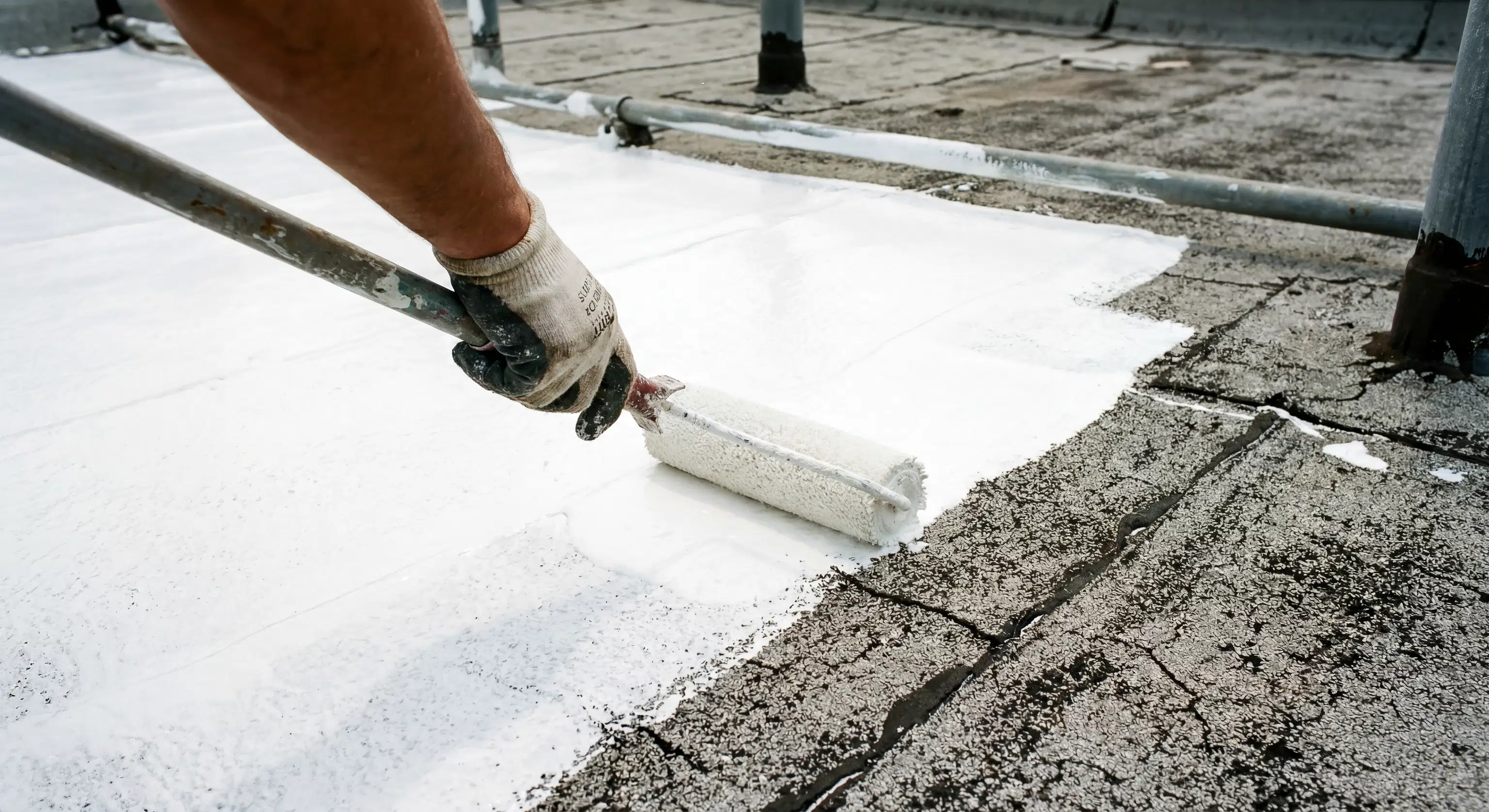
We frequently hear the question: how often do I need to recoat my flat roof? Generally, a well-applied coating should be inspected annually and reapplied every three to five years, depending on the quality of the material and the intensity of sun exposure. This highly reflective white coating serves a dual purpose. First, it reflects the harsh desert sun, significantly lowering your cooling costs during the summer. Second, it creates a seamless, rubberized waterproof barrier over your roofing materials.
When applied correctly, this coating extends up the inside of the parapet walls and directly into the scupper openings, ensuring that water cannot penetrate the seams. If your current coating is chalky, thinning, or flaking away, it cannot properly protect your home during a storm. Investing in a professional roof coating application ensures that when water rushes toward your drainage outlets, it glides over a fully sealed surface.
Protect Your Home Before the Storms Hit
Navigating the extremes of our local climate requires a proactive approach to home maintenance. Waiting until water is pouring through your ceiling during a storm means dealing with emergency fees, potential interior water damage, and the stress of unpredictable scheduling delays. By keeping your scuppers clear and your roof surface properly sealed, you can enjoy the dramatic summer weather with complete peace of mind.
At Leak Seekers, LLC., we understand the unique demands that our environment places on your home. As a fully licensed, bonded, and insured roofing contractor serving Sahuarita and the surrounding communities, we pride ourselves on delivering transparent pricing, strong warranties, and reliable communication. Our team is highly experienced in managing the specific needs of flat and tile roof systems common in the Southwest.
Don't wait for the first major downpour to find out if your drainage system is working. Reach out to us today via our contact us page to schedule a comprehensive inspection and ensure your home is fully prepared for whatever the season brings.