
Understanding Tile Roof Underlayment Lifespan in Sonoran Heat
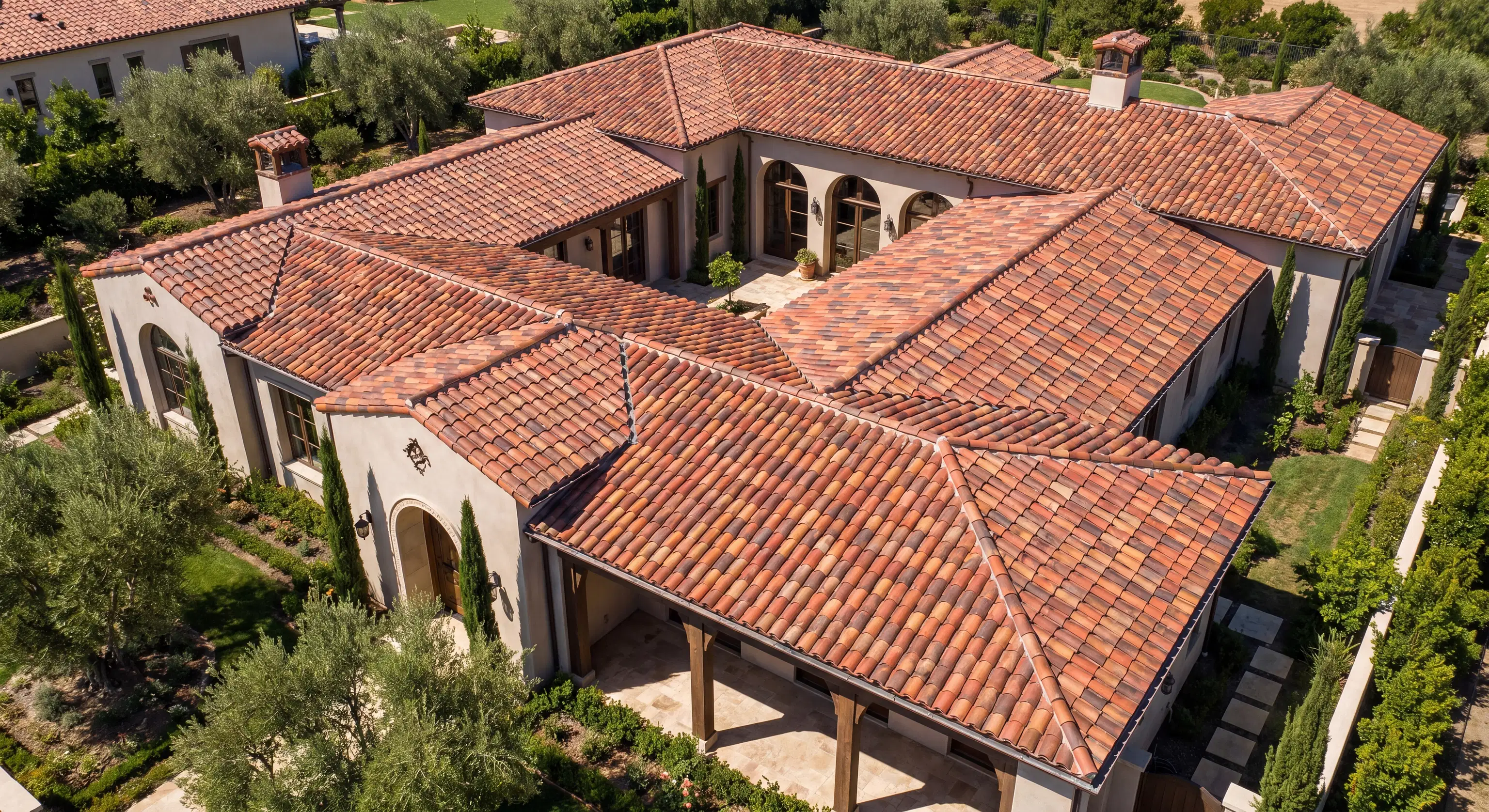
There is nothing quite as iconic in Southwestern architecture as a beautiful clay or concrete tile roof. For homeowners in Tucson and the surrounding areas, these roofs offer a timeless aesthetic that perfectly complements our desert landscape. Because the tiles themselves are incredibly durable—often capable of lasting fifty years or more—it is easy to assume that the entire roofing system shares that same impressive longevity. However, the true unsung hero of your home's defense system lies hidden just beneath those tiles: the underlayment.
While the outer tiles act as a primary shield against the sun and physical debris, the underlayment is the actual waterproofing barrier that keeps your home dry. Unfortunately, the intense Sonoran Desert Heat presents a unique set of challenges for these materials. Understanding how our extreme climate affects your roof's hidden layers is the first step in protecting your property, managing long-term maintenance costs, and avoiding unexpected interior damage when the weather suddenly shifts.
How Long Does Tile Roof Underlayment Last in Arizona?
One of the most frequent questions we hear from homeowners is regarding the actual lifespan of their roofing materials. If you are wondering how long tile roof underlayment lasts in Arizona, the answer largely depends on the type of material originally installed and its daily exposure to extreme temperatures.
Historically, many homes were built using traditional asphalt-saturated roofing felt (often referred to as 30-pound or 40-pound felt). In milder climates, this material can perform well for decades. However, in our region, the relentless summer sun bakes the roof day after day. The heat transfers through the tiles and bakes the felt underneath. Over time, this causes the asphalt to dry out, lose its natural oils, and become highly brittle.
For a standard felt underlayment in our desert environment, you can typically expect a functional lifespan of 15 to 25 years. Once the material reaches the end of its life cycle, it begins to crack, tear, and disintegrate. At this stage, it can no longer effectively shed water, leaving your home vulnerable to leaks the moment a heavy rainstorm rolls through.
Recognizing the Signs of Tile Roof Underlayment Failure
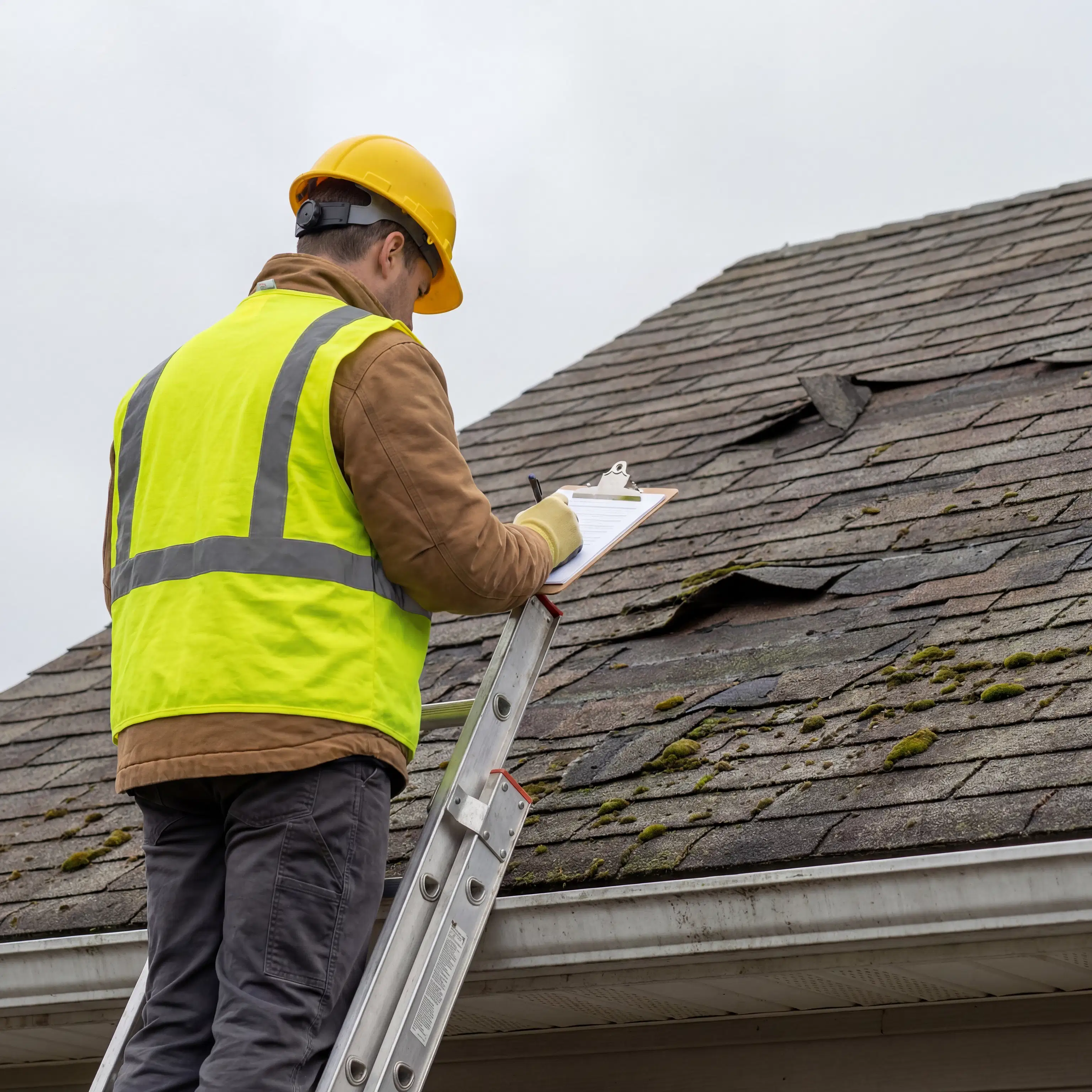
Because the underlayment is completely hidden from view, it can be difficult for the average homeowner to know when it is time for a replacement. Waiting for water to start dripping from your living room ceiling is never the ideal way to discover a problem.
There are several early signs of tile roof underlayment failure that you can watch out for. First, take a look at the alignment of your tiles. If you notice tiles that are slipping, sliding out of place, or completely missing, it often indicates that the felt underneath has deteriorated to the point where it can no longer hold the tile battens securely.
Another indicator is the presence of subtle water stains on your interior ceilings or walls, particularly after a sudden summer storm. Even a small, seemingly harmless brown spot can point to a compromised barrier above. Additionally, if you venture into your attic during the day and can see visible sunlight peeking through the roof decking, your waterproofing layer is severely compromised.
Catching these warning signs early is crucial. Addressing a localized issue promptly might mean you only need a targeted roof repair rather than a complete system overhaul, saving you significant time and money.
Replacing Roofing Felt Under Clay Tiles: The "Lift and Relay" Process
When the underlayment has failed but the tiles themselves are still in excellent condition, the most cost-effective and logical solution is a process known in the industry as a "lift and relay" or a tile R&R (Remove and Replace).
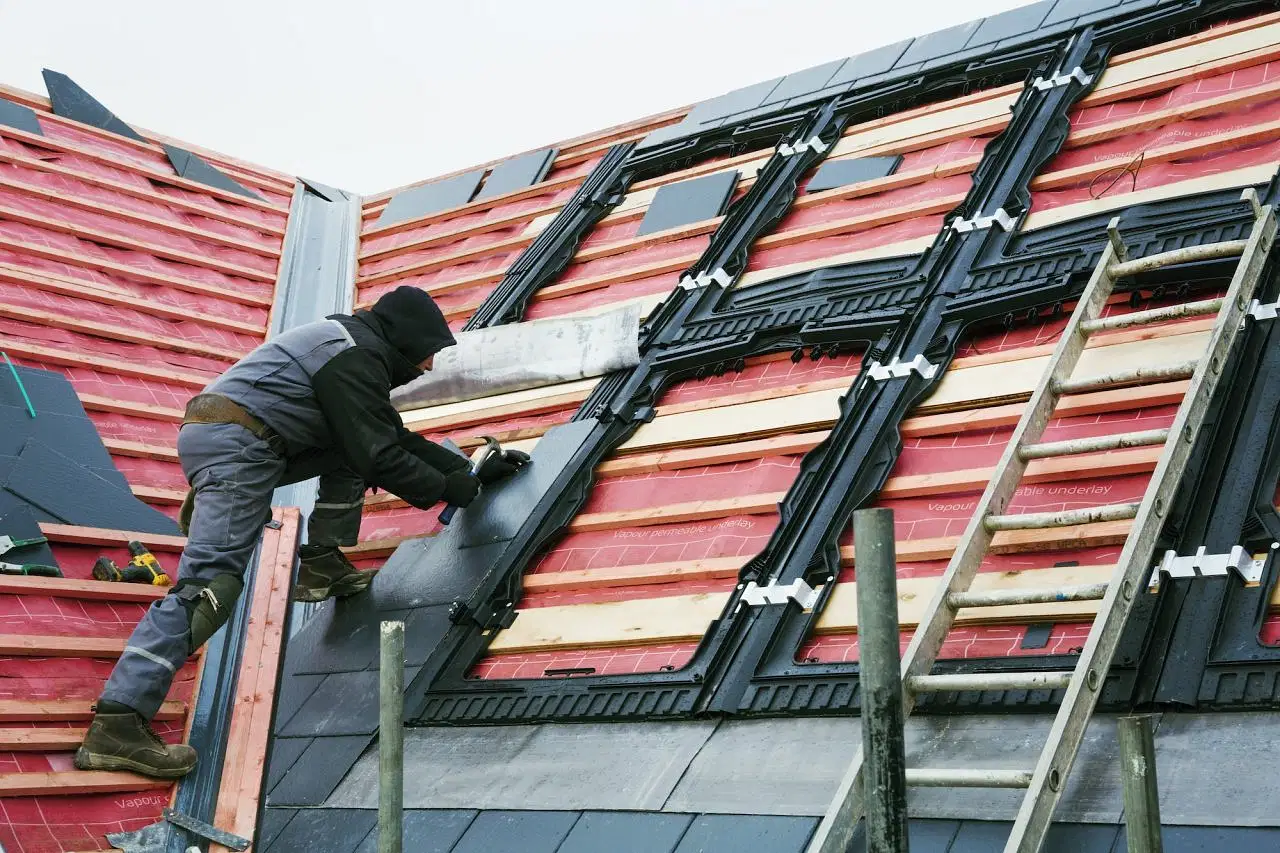
Replacing roofing felt under clay tiles involves carefully removing the existing tiles and stacking them safely on the roof or ground. We then strip away the old, brittle felt down to the bare wood decking. After inspecting the wood for any signs of rot or structural damage, we install a brand-new, high-performance underlayment system. Finally, the original tiles are meticulously reinstalled. This process preserves the beautiful aesthetic of your home—which is especially important for navigating strict HOA guidelines in neighborhoods like the Catalina Foothills—while completely modernizing your home's protection.
Given the fluctuating costs of building materials today, preserving your existing tiles while upgrading the barrier beneath them is a smart financial move that protects your long-term investment.
Choosing the Best Underlayment for Extreme Desert Temperatures
If you are going through the effort of a lift and relay, it is vital to upgrade the materials being used. So, what is the best underlayment for extreme desert temperatures?
Today, we strongly recommend moving away from traditional organic felt and opting for advanced synthetic underlayments or modified bitumen (rubberized asphalt) products. Synthetic underlayments are engineered from woven polymers that are incredibly resistant to tearing and UV degradation. They do not dry out or crack the way traditional felt does when subjected to intense heat.
Modified bitumen underlayments offer another excellent option. These materials have a rubberized quality that allows them to expand and contract with the daily temperature swings of the desert. They also self-seal around roofing nails, providing an extra layer of defense against moisture. By choosing these modern, heat-resistant materials for your residential roofing project, you ensure a much longer lifespan for your roof and gain the peace of mind that comes with stronger, long-term warranties.
Prepare Your Home Before the Storms Arrive
In our region, the weather can turn from clear skies to a torrential downpour in a matter of minutes. When the Monsoon season arrives, bringing with it heavy rains and the occasional severe microburst, you want to be absolutely certain that your roof is ready to handle the deluge. Because extreme summer heat limits safe working hours and sudden storms create unpredictable scheduling delays, being proactive about your roof maintenance is the best way to avoid emergency situations.
Don't wait for a leak to compromise your home's interior. If your home is approaching the 15 to 20-year mark, or if you have noticed any signs of wear, it is time for a professional evaluation. Whether you need a minor fix or a full roof replacement, our licensed, bonded, and insured team is here to provide transparent, reliable service.
Protect your Southern Arizona home with materials designed to withstand the elements. Contact Leak Seekers, LLC. today to schedule your comprehensive roof inspection and ensure your underlayment is ready for whatever the desert weather brings.